
The Psychology of Fonts: How Typography Influences Mood
Every time you read a word on a screen or a billboard, your brain is processing more than just the literal meaning of the text. You are reacting to the visual “voice” of the lettering. Understanding the psychology of fonts is essential for designers and marketers because typography acts as a non-verbal cue that sets the emotional tone before a single sentence is even finished.
Whether a brand feels traditional, innovative, or friendly depends largely on the curves, weights, and spacing of its chosen typeface. By mastering these subtle cues, we can guide the reader’s subconscious toward a specific emotional state.
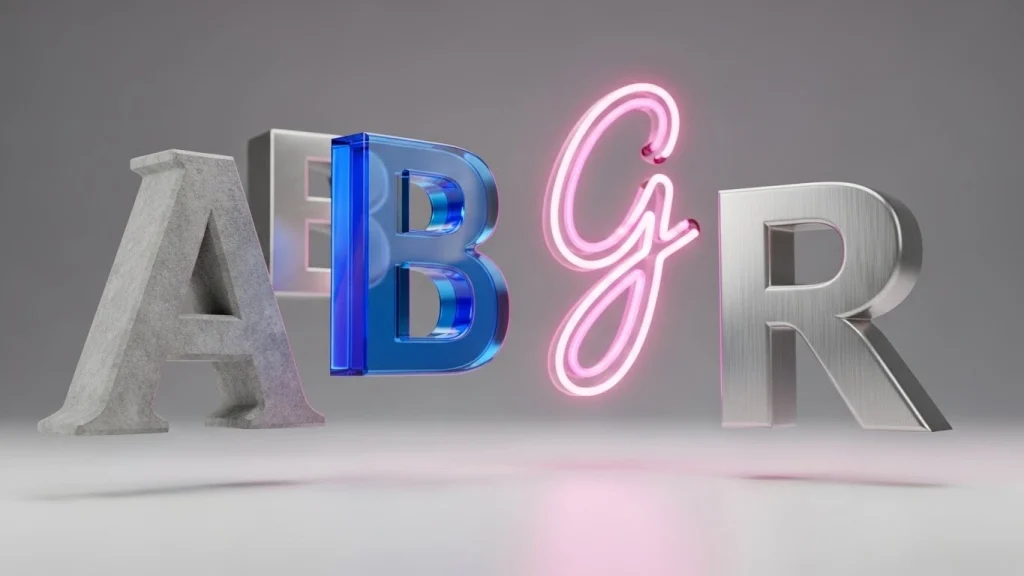
Understanding the Psychology of Fonts in Design
To understand how typography shapes perception, we have to look at the emotional associations we have built over decades of visual culture. Typography isn’t just about legibility; it’s about affective processing—the way visual stimuli trigger emotional responses in the human amygdala.
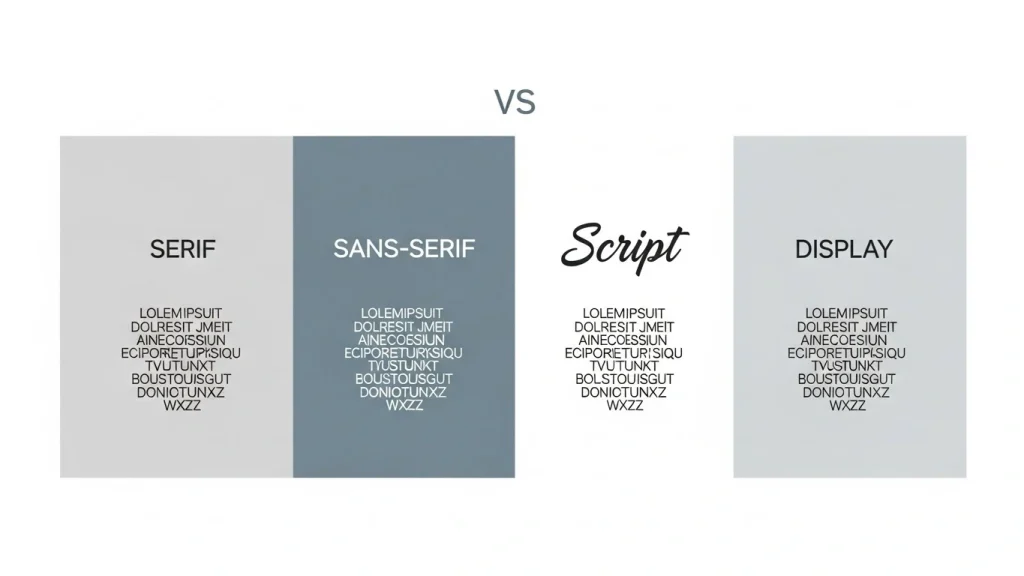
1. Serif Fonts: Tradition and Trust
Serif fonts (like Times New Roman or Georgia) feature small decorative “feet” at the ends of strokes. In the psychology of fonts, these represent authority, stability, and respect for tradition. This is why law firms, universities, and prestige newspapers almost exclusively use serifs—they want to signal that they are established and reliable.
2. Sans-Serif Fonts: Modernity and Clarity
Sans-serif fonts (like Helvetica or Arial) lack those decorative feet, resulting in a clean, streamlined look. These fonts evoke feelings of honesty, modernity, and “no-nonsense” efficiency. Tech giants like Google and Apple transitioned to sans-serif to appear more approachable and cutting-edge in a digital-first world.
3. Script and Handwritten Fonts: Elegance and Personality
Script fonts mimic cursive handwriting. They often trigger feelings of femininity, luxury, or a personal, handcrafted touch. While a script font might make a wedding invitation feel elegant, using it for a technical manual would create “cognitive friction,” making the information feel unnecessarily difficult to process.
4. Display and Bold Fonts: Impact and Emotion
Large, bold display fonts are designed to grab attention. They carry a sense of strength and urgency. However, the psychology of fonts suggests that if these are overused, they can feel “loud” or aggressive, potentially pushing a reader away rather than drawing them in.
Why Typography Matters for SEO and UX
Google’s algorithms increasingly prioritize User Experience (UX). If your font aesthetic choices are difficult to read or don’t match the “vibe” of your content, users will bounce quickly. A harmonious use of font psychology keeps readers engaged longer, signals high-quality content, and indirectly boosts your search rankings through improved dwell time.